

As a bathroom design professional, I often see homeowners trying to make small bathrooms feel bigger and more modern. You might be struggling with a bulky old sink that takes up too much floor space, making the room feel cramped. It’s a common problem, but choosing a new sink can feel overwhelming with all the options available. A wall-hung basin is a fantastic solution that saves space and offers a clean, floating look. They are fixed directly to the wall, keeping the floor clear. Besides being practical for small bathrooms, they are easier to clean under and can be installed at the perfect height for your family. However, proper installation with a strong support frame is key to their success. Now, let’s walk through everything you need to know about these stylish and practical sinks. By the end of this guide, you will understand exactly what a wall-hung basin is, what to look for when buying one, and what it takes to install it, helping you decide if it’s the perfect fit for your home.
What Is a Wall-Hung Basin, and Is It Right for You?
Wall-hung basins are popular due to their modern aesthetics and functionality. They offer a clean look and save space by directly attaching to the wall without need for a pedestal or countertop. A report by Grand View Research shows a steady increase in wall-hung basins demand. These suitable for both residential and commercial uses also facilitate floor cleaning as there are no awkward corners. Installation heights can be adjusted according to individual needs, which is beneficial for wheelchair users. However, the installation success relies heavily on the wall’s sturdiness, as it should support the basin and the water’s weight. Professional help is usually recommended for installation to ensure safety and durability. Finally, even though they’re ideal, wall’s strength and proper installation are critical for the floating basin.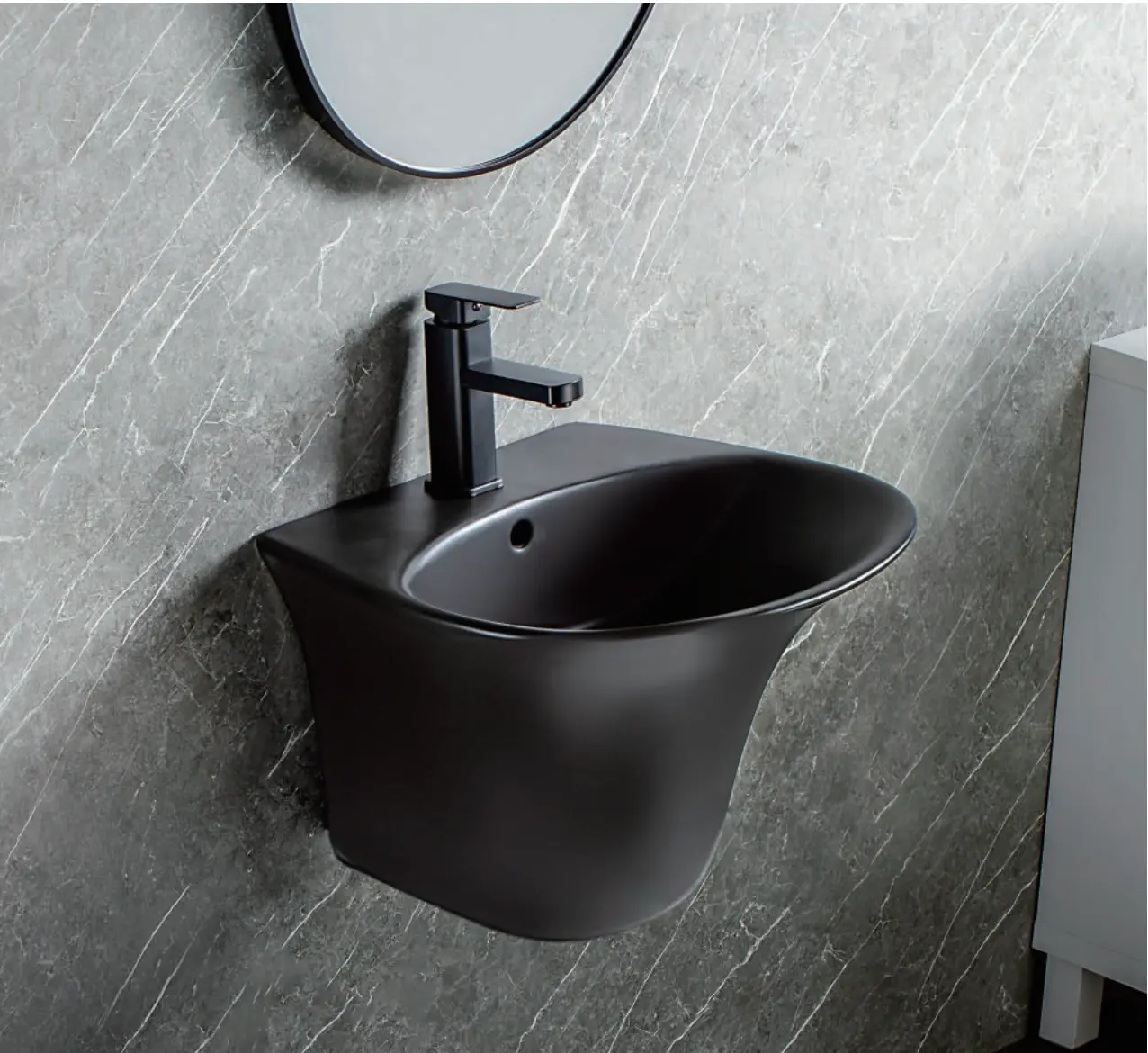
What Materials and Sizes Should You Consider for a Wall-Hung Basin?
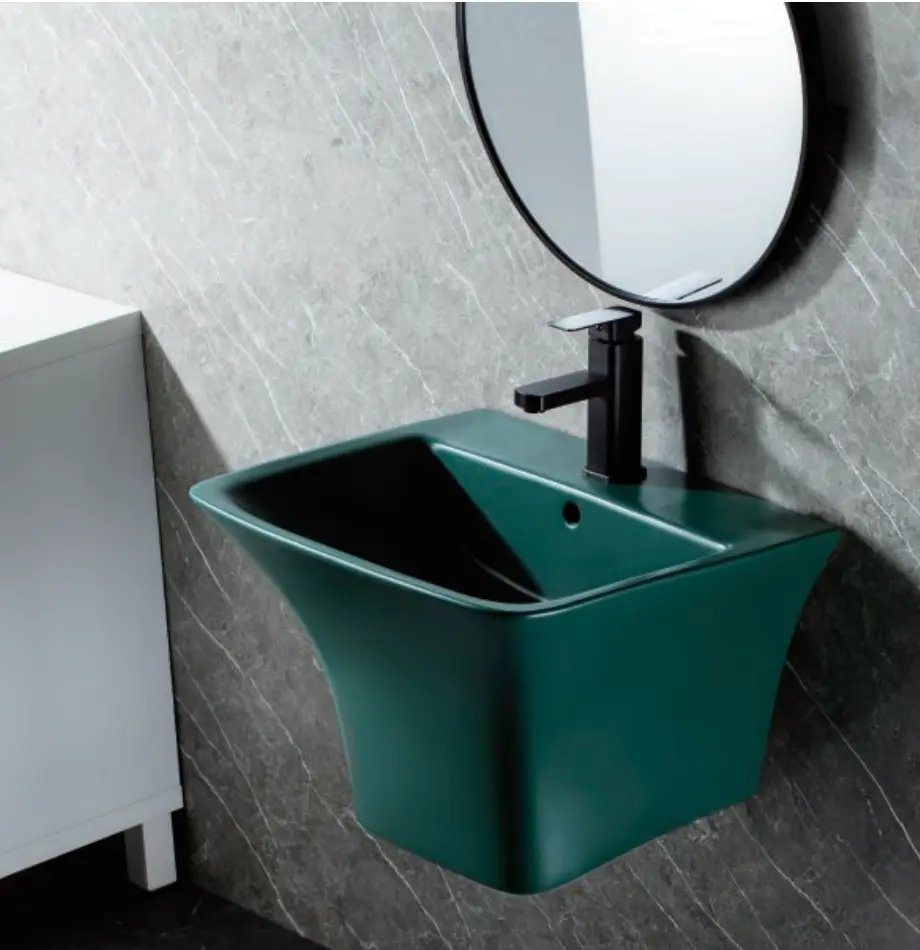
Choosing the materials and sizes for your wall-hung basin purchase largely depends on your personal style, budget, and bathroom needs. Based on FactMR’s Sink Market Report, the most common materials are ceramic and porcelain, known for their durability, cost-effectiveness, and easy maintenance. However, if you desire a more luxurious feel, you might consider solid surface materials and glass basins. Ceramic and vitreous china are bathroom staples, offering superior scratch and stain resistance. Solid surface materials provide a sleek, modern look and can be easily repaired if scratched. Glass basins have a polished appearance but may require more maintenance to prevent water spots. The size of the basin is also important. Measure your space accurately to ensure the basin is not too large or small for your room. Remember, the product dimensions—width, depth, and height—should be appropriate for your needs. Proportions are crucial to achieve the perfect balance in your bathroom.
How Do You Properly Install a Wall-Hung Basin?
Proper installation of a wall-hung basin is cardinal for safety and longevity. The fact that it appears to be “floating” triggers questions regarding its resilience and how the plumbing system works. Key to this, wall-hung basins should be backed by robust wall brackets, or a better option, an unseen in-wall carrier frame. This frame is a steel formation fixed within the wall which not only supports the weight of the basin but also neatly conceals the plumbing.
Digging into deeper details, for lighter basins, plain brackets screwed onto wall studs could be a fit. However, a more reliable solution is the in-wall carrier system. This durable metal frame is attached to both the ground and wall studs before mounting the drywall which gives the basin unwavering support. Additionally, the basin and the connections for drain and water lines are mounted at destined spots. This not only confirms the strength of the basin but also smartly hides all plumbing connections giving a spotless finish.
While this installation is a notch above the standard sink installation process, it’s often best left to professionals. Remember, the effective installation of a wall-hung basin is not optional, employing an in-wall carrier frame ensures that your basin is not only safe and steady, but also looks professionally done. Follow this useful life-hack for installing a wall-hung basin from This Old House.
How Much Does a Wall-Hung Basin Actually Cost?
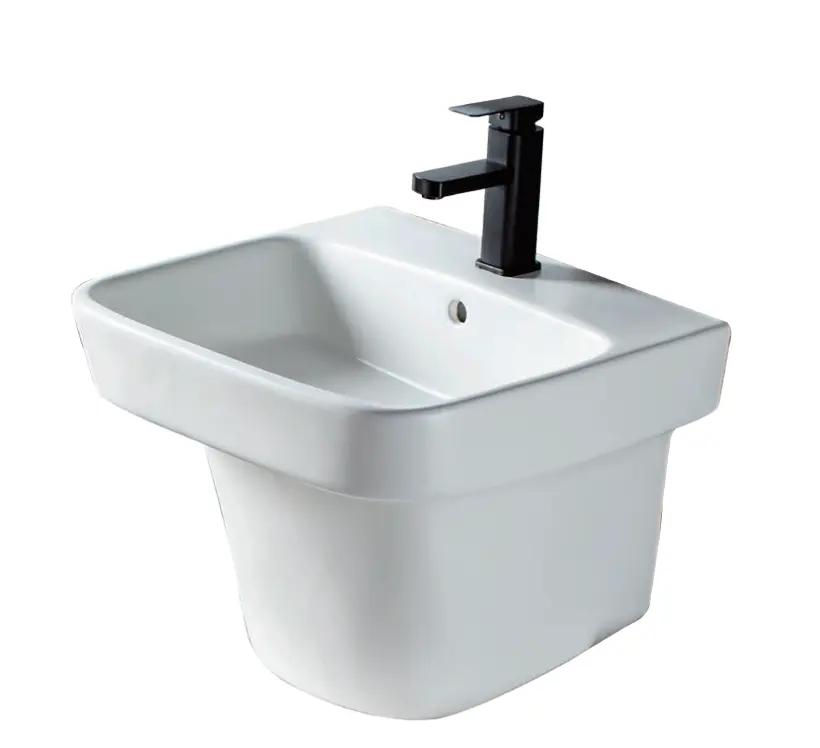
Determining the cost of a wall-hung basin requires consideration beyond just the price of the basin itself. It also includes costs for the support system of the basin, the faucet, and professional installation. A simple ceramic basin can fall under $100, while a designer piece might cost a few thousand dollars. Additionally, the price of an in-wall carrier frame, necessary for the installation of the basin, along with potential costs for tiling and wall finishing, should be taken into account. The cost might also increase due to plumber’s labor, given that installing a wall-hung basin involves opening up the wall for the plumbing work. To give a perspective, the global wash basin market by 2023 is estimated to be around USD $34.9–$36.7 billion, which shows the popularity of such bathroom upgrades. Therefore, while budgeting for a wall-hung basin, remember to factor in these various elements to get an accurate estimate of the overall cost.
How Do You Maintain a Wall-Hung Basin and Keep It Looking New?
Taking care of a wall-hung basin is simpler than you might think. Its exposed design allows for easy cleaning. Use a soft cloth and gentle cleaning products for regular maintenance. Remember to avoid harsh, abrasive cleaners, especially on sensitive materials like glass or designer finishes. Not only will these harsh chemicals scratch the surface but can also dull the lustrous finish. Regular wiping down prevents water spots and build-ups, keeping your basin shining year-round. The unique design of the wall-hung basin has plumbing embedded in the wall. This means keeping an access panel or a removable cover is crucial during installation. It will allow plumbers to easily reach drain traps and water supply lines without tearing open your walls in the event of a leak. The Smart Basin Guidebook from This Old House provides an illustrated step-by-step guide on how to install these basins, emphasizing the importance of planning for plumbing access. With good routine cleaning habits and thoughtful plumbing access, your wall-hung basin can retain its brand new look and function for several years. This easy-to-maintain fixture adds a dash of elegance and ease to your bathroom, making it worth every penny.
Conclusions
A wall-hung basin can truly transform a bathroom, especially a small one. It creates a sense of space, delivers a sleek and modern look, and makes cleaning much simpler. While the installation is more involved than a traditional sink, the payoff in style and function is huge. Just remember to plan for a sturdy support frame and budget accordingly for a successful project.