

Hi there! I’m a tile supplier based in Foshan, China, and I’m excited to share everything you need to know about subway tiles. After years of working with designers and importers worldwide, I’ve gathered lots of knowledge that can help you make the best choices for your projects.
What Is Subway Tile?
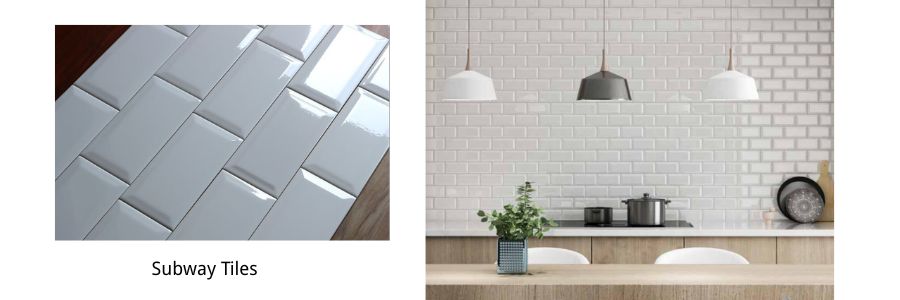
Subway tile got its name from the ceramic tiles used in New York City subway stations back in the early 1900s. These tiles became famous for their clean look, durability, and easy-to-clean surfaces.
The classic subway tile is a rectangular ceramic tile, typically 3 inches by 6 inches (about 7.5cm by 15cm). While this is the traditional size, today’s subway tiles come in many sizes and materials.
What makes a tile a “subway tile” is its rectangular shape, where the length is about twice the height. This shape creates that timeless, classic look that works in so many design styles.
What Are the Most Popular Subway Tile Sizes?
What’s the Classic Subway Tile Size?
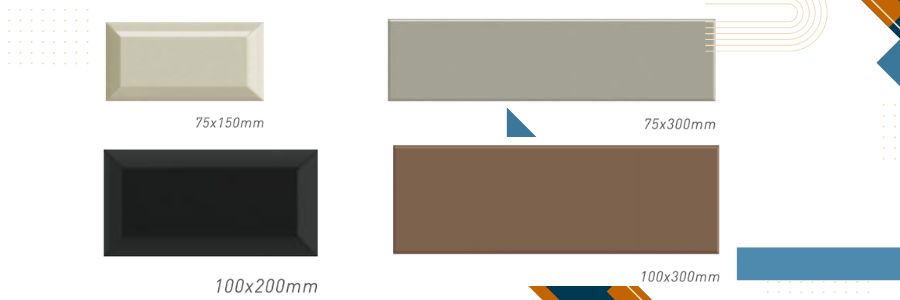
The original subway tile measures 3″×6″ (7.5cm×15cm). This size remains the most popular choice because it works well in spaces of all sizes and creates that timeless look that never goes out of style.
Do Mini Subway Tiles Work in Small Spaces?
Yes! Mini subway tiles (1″×2″ or 2″×4″) are perfect for small areas like backsplashes or shower niches. I’ve noticed more clients using these tiny tiles to create detailed patterns or to add texture to small areas.
Are Larger Subway Tiles Better for Modern Designs?
Absolutely. Large format subway tiles (4″×8″, 3” x 12″, or 4″×12″)( 10cm x 20cm, 7.5cm x 30cm, or 10cm x 30cm ) create a more modern, sleek look. The bigger size means fewer grout lines, which gives a cleaner appearance. Many of my European clients prefer these larger sizes for contemporary projects.
What About Elongated Subway Tiles?
Elongated subway tiles (like 2″×8″ or 2″×10″) ( 5cm x 20cm or 5cm x 25.5cm) offer a fresh take on the classic. These stretched-out proportions create interesting visual effects, especially when installed in patterns like herringbone. They’re becoming very popular in boutique hotels and upscale residential projects.
Pro Tip: When ordering subway tiles from overseas, always order 10-15% extra to account for cuts, breaks, and future repairs. This is especially important when using patterned layouts which require more cuts.
What Types of Subway Tile Materials Are Available?
Ceramic Subway Tile
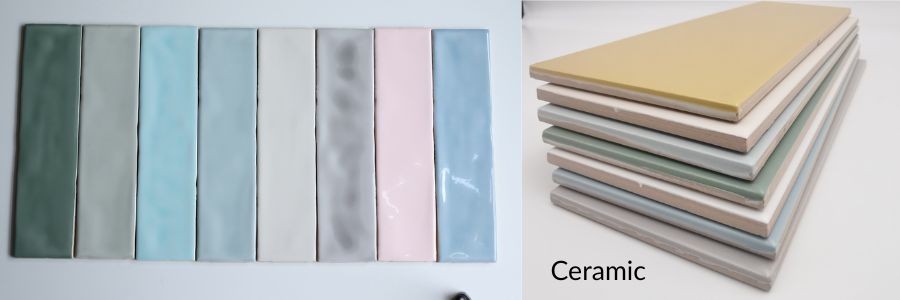
Ceramic subway tiles are what we produce most at our partner factory. They’re made from clay that’s shaped, glazed, and fired at high temperatures. These tiles are:
- More affordable than other options
- Available in countless colors and finishes
- Easy to clean and maintain
- Perfect for walls and low-traffic areas
Porcelain Subway Tile

Porcelain subway tiles are ceramic’s stronger cousin. They’re made with finer clays and fired at higher temperatures, making them:
- More dense and durable than ceramic
- Highly water-resistant (less than 0.5% water absorption)
- Suitable for floors and high-traffic areas
- More expensive than standard ceramic
Glass Subway Tile
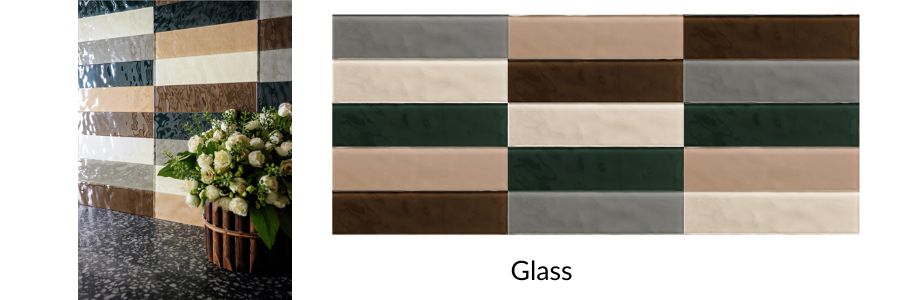
Glass subway tiles create a beautiful reflective surface that can make spaces feel larger and brighter. My clients love glass subway tiles because they:
- Reflect light beautifully
- Come in vibrant, consistent colors
- Are completely water-resistant
- Create depth and visual interest
Natural Stone Subway Tile

Natural stone cut into subway tile shapes brings organic beauty to any space. Options include marble, limestone, and travertine. These natural tiles offer:
- Unique patterns—no two tiles are exactly alike
- Luxurious, high-end appeal
- Natural variation in color and texture
- Special charm that manufactured tiles can’t match
Comparison Table: Subway Tile Materials
| Material | Cost | Durability | Water Resistance | Best Uses |
|---|---|---|---|---|
| Ceramic | $ | ★★★☆☆ | ★★★☆☆ | Walls, backsplashes |
| Porcelain | $$ | ★★★★★ | ★★★★★ | Floors, walls, wet areas |
| Glass | $$$ | ★★★☆☆ | ★★★★★ | Feature walls, backsplashes |
| Natural Stone | $$$$ | ★★★★☆ | ★★☆☆☆ (needs sealing) | Accent areas, luxury spaces |
What Textures Are Available for Subway Tiles?
Handmade vs. Machine-Made: What’s the Difference?
In our factory, we produce both handmade-look and machine-made subway tiles. The difference is dramatic:
Handmade subway tiles (or those designed to look handmade) have:
- Slightly uneven surfaces
- Variation in glaze application
- Unique character in each tile
- A artisanal, crafted appearance
Machine-made subway tiles offer:
- Consistent size and thickness
- Uniform glaze application
- Perfect edges and corners
- A clean, precise look
What Surface Variations Can I Choose From?
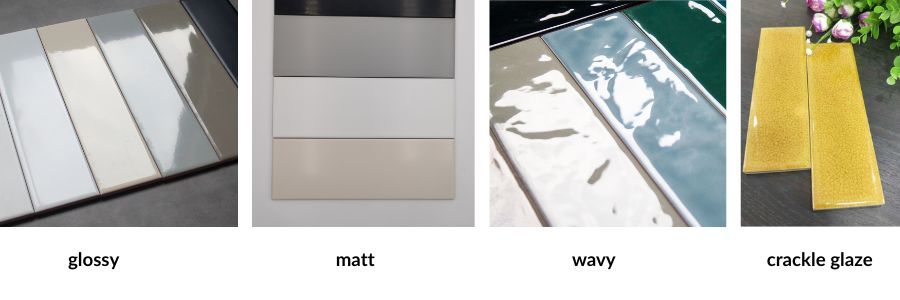
Glossy finish is the classic subway tile look. The shiny surface:
- Reflects light beautifully
- Makes spaces feel larger
- Shows water spots more easily
- Creates a bright, clean look
Matte finish has become extremely popular in recent years. This flat finish:
- Hides water spots and fingerprints better
- Provides a modern, sophisticated look
- Is less slippery in wet areas
- Creates a soft, subtle appearance
Crackle glaze features tiny cracks in the glaze layer that create vintage charm. This finish:
- Adds character and depth
- Creates an aged, timeworn appearance
- Requires sealing to prevent staining in the cracks
- Works beautifully in farmhouse or vintage-inspired designs
Rippled/wavy texture features subtle waves on the surface, creating a handcrafted look. This texture:
- Catches light in interesting ways
- Adds dimension without bold patterns
- Creates movement and visual interest
- Works well in both traditional and modern spaces
What Edge Options Are Available for Subway Tile?

Flat Edge Subway Tile
Flat edge subway tiles have clean, straight edges with sharp 90-degree corners. This edge:
- Creates a modern, minimalist look
- Works well with thin grout lines
- Gives a seamless, continuous appearance
- Is popular in contemporary designs
Beveled Edge
Beveled edge subway tiles have angled edges that slope down toward the tile face. This edge type:
- Creates shadows and dimension
- Highlights the shape of each tile
- Adds a traditional, classic look
- Makes the tile pattern more noticeable
Round Edge
Round edge subway tiles feature a gentle curved edge along one or more sides. These versatile tiles:
- Create a softer, more refined look than sharp-edged tiles
- Work beautifully in traditional and transitional designs
- Eliminate the need for separate trim pieces in many applications
- Add subtle dimension without the pronounced effect of beveled edges
The round edge provides a finished look that’s especially popular in bathrooms and kitchens where you want a polished appearance without the sharp corners of flat-edge tile.
Bullnose Edge
Bullnose edges feature a rounded, curved edge. These are perfect for:
- Creating finished edges where tile meets other materials
- Outside corners to avoid sharp edges
- Creating a softer, more traditional look
- Finishing the top of a backsplash or wainscoting
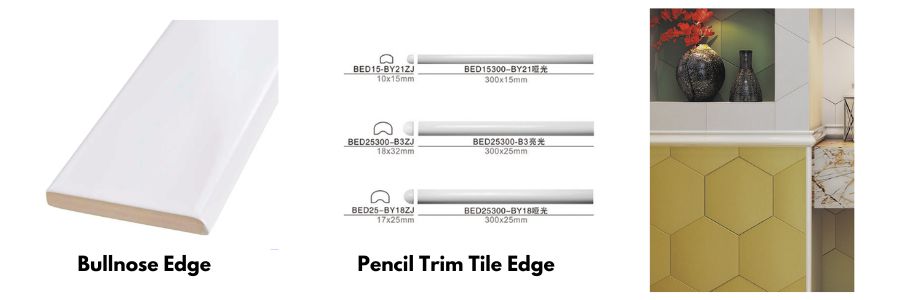
Pencil Trim
Pencil trim tiles are thin, linear pieces with a rounded edge. They’re great for:
- Creating borders and frames
- Transitioning between different materials
- Finishing the edges of a tiled area
- Adding a decorative accent
What Quality Factors Should I Consider When Importing Subway Tiles?
As a supplier in Foshan, I always tell my clients to pay attention to these quality factors:
- Consistent sizing: Subway tiles should have tight dimensional tolerances for easier installation.
- Glaze quality: Look for even application without pinholes or bubbles when standing in 1 meter distance.
- Edge straightness: Inspect edges for consistency, especially important for patterns.
- Color consistency: Check tiles from different boxes to ensure color matching.
- Proper packaging: Good packaging prevents damage during international shipping.
Conclusion
Subway tiles remain popular because they’re versatile, timeless, and work in so many design styles. Whether you choose traditional white ceramic or explore bold colors and materials, subway tiles can transform any space.
In our next article, I’ll share insights about subway tile layouts and the differences between matte and glossy finishes. You’ll learn how these choices dramatically change the look of your projects.
Have questions about importing subway tiles from China? Feel free to reach out – I’m happy to help you find the perfect subway tiles for your next project!