Import & Quality Control
A Practical Guide to Importing Building Materials ( especially ceramic sanitary ware and porcelain tile) from China — with Less Risk and More Control

A Practical Guide to Importing Building Materials ( especially ceramic sanitary ware and porcelain tile) from China — with Less Risk and More Control
Over 50% of the world’s sanitary ware and ceramic tile supply comes from China. Buyers source from China for its cost advantages, production capacity, and supply stability.
However, international sourcing always involves risks — not because China is unreliable, but because long-distance trade brings information gaps, communication differences, and execution challenges.
Distance creates information gaps. Samples don’t always represent mass production. Communication issues often appear after orders are confirmed. And small misunderstandings can turn into expensive problems.
These risks are not unique to China — they exist in any cross-border sourcing.
The good news? Most risks are manageable — if the process is managed properly.
Supplier selection, factory verification, sample quality reference, trial order, and pre-shipment inspection are not optional steps. They are what separate a smooth shipment from a costly mistake.
Below, we break down how to control each stage of the sourcing process.
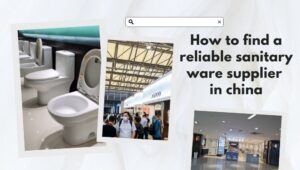
Finding the right supplier isn’t about finding the bigg one — it’s about finding the right fit.
Many buyers focus on catalogs and price lists. But a reliable supplier is defined by predictability: do they understand your market and standards? Can they maintain stable quality, realistic lead times, and clear communication when issues arise? An impressive showroom or low price doesn’t guarantee consistent color, proper packing, or smooth repeat orders.
That’s why we recommend starting with practical guides — how to identify real manufacturers, how to evaluate suppliers, and what a proper factory audit should include. These help you assess suppliers beyond quotations.
Looking for something specific?
I cover two main product categories — pick the one that fits your project:
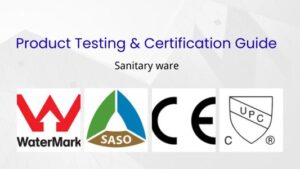
Many buyers rely on certificates, showroom visits, or factory photos when selecting suppliers. These references are helpful — but they don’t show how the factory actually operates.
A practical factory audit should focus on three core elements: capability, stability, and accountability.

Sampling and trial orders are where most problems quietly begin — or get solved.
A sample is not just to check appearance. It’s to confirm specifications, tolerance, color consistency, quality & packaging details, and communication efficiency. Always clarify whether the sample is handmade or taken from actual production. A beautiful handmade sample doesn’t guarantee stable mass production.
Before placing a large order, a small trial order is worth the time and cost. It helps you test real production speed, quality control, document handling, and how the supplier responds to small issues. Trial orders are not about price negotiation — they are about testing execution.
If sampling confirms the product, trial orders confirm the factory.
Skipping these steps may save time today, but often costs much more later.
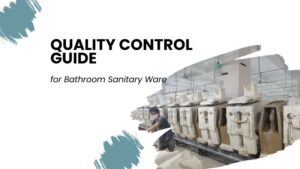
Quality control is not about finding problems — it’s about preventing surprises.
Many buyers assume that once the sample is approved, production will automatically follow the same standard. In reality, mass production always carries variation. Raw materials change, workers rotate, machines wear out. Without inspection, small deviations can turn into container-level issues.
Some customers will think, “Why should I let a trading company earn a few percentage points of commission when I can find the real manufacturer?” They overlook the importance of pre-shipment inspection and supervision. If problems or complaints happen, your losses will certainly extend far beyond the small commission earned by the trading company.
Pre-shipment inspection of checking size tolerance, surface defects, performance, packing details, and loading condition can protects the interests of all three parties. It is much easier to correct issues in the factory than after the goods arrive at your warehouse.
Good quality control doesn’t slow business down — it makes repeat orders possible.
In conclusion, managing the import process is all about minimizing risks and maximizing efficiency.
By carefully selecting the right suppliers, auditing factories, testing products, and maintaining strict quality checks, you reduce risk and ensure consistency. It’s not just about getting the best price; it’s about building reliable, long-term partnerships.
Want to explore deeper into specific product sourcing? Check out our Tile sourcing guide or explore our Sanitaryware sourcing guide for more insights.