As someone who’s been in the tile business for over 15 years, I’ve helped many international buyers find the perfect tiles for their projects. One question I hear almost monthly is: “Should I choose glazed or polished porcelain tiles?”
Today, I want to share what I’ve learned to help you make the best choice between glazed and polished porcelain tile for your next project.
What Are Glazed Porcelain Tiles?
Glazed porcelain tiles are like regular porcelain tiles with a special glass-like layer on top.
The glaze comes in many finishes – shiny, matte, textured, and even ones that look like wood or stone. This coating gives the tiles their color and pattern.
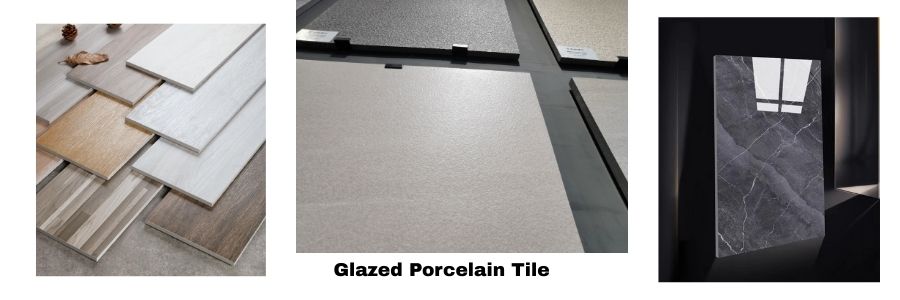
Most popular uses for glazed porcelain tiles:
- Bathroom walls and floors
- Kitchen backsplashes
- Residential floors and walls
- Decorative accent walls
What Are Polished Porcelain Tiles?
Polished porcelain tiles are different. Instead of adding a glaze, we:
- Make the tile with colored clay all the way through
- Fire it at extremely high temperatures
- Polish the surface until it shines
- Apply a layer of wax on the surface of the tile for protection
This process creates a mirror-like finish that many people love. The color and pattern go all the way through the tile.
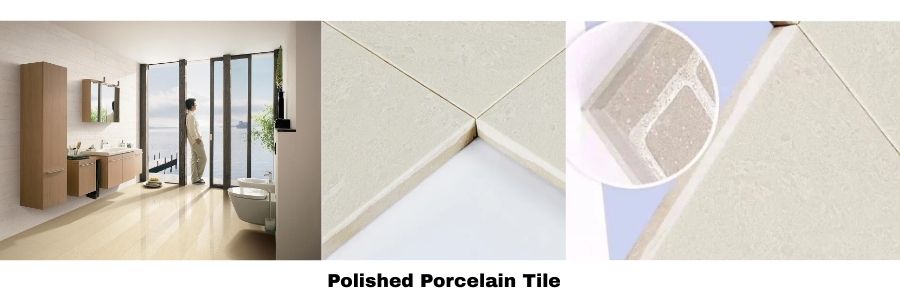
Most popular uses for polished tiles:
- Hotel lobbies
- Shopping malls
- High-end residential floors
- Office buildings
Glazed vs. Polished Tile, Side-by-Side Comparison
Here’s a quick comparison to help you decide which type is right for your projects:
| Feature | Glazed Porcelain Tile | Polished Porcelain Tile |
|---|---|---|
| Appearance | Wide variety of designs, colors and finishs | Elegant, mirror-like finish |
| Water Resistance | Excellent (glaze is waterproof) | Excellent (may need sealing) |
| Scratch Resistance | Good (depends on glaze quality) | Excellent (polishing on the surface of the porcelain body with high hardness) |
| Slip Resistance | Better (especially textured glazes) | Less (can be slippery when wet) |
| Maintenance | Easy to clean | Easy to clean, but also requires more careful cleaning |
| Design Options | Almost unlimited, easy to customize | More limited but sophisticated |
What kind of tiles can have the appearance of glazed tiles with various styles and designs, and the mirror-like brightness and luxurious effect of polished tiles? Wait, there is! Glazed polished tiles can meet your needs at once.
Polished porcelain tile is a parts of unglazed tiles, if you want to know more details about unglazed and glazed tile comparison, practical applications, read our guide: Exploring the Differences: Glazed vs Unglazed Tile.
What Are Glazed Polished Tiles?
As a ceramic tile supplier, I’ve seen growing interest in a special category that combines the best of both worlds: glazed polished tiles. These unique tiles start with the traditional glazed porcelain process but add an extra step:
- Create a standard glazed porcelain tile with decorative surface
- After the glaze firing, we apply an additional polishing process
- This polishing gives the glazed surface a brilliant, reflective finish
- The final product has both the design versatility of glazed tiles and the luxurious shine of polished porcelain tile
The result is truly spectacular! The glazed polished tiles maintain the endless design possibilities of glazed tiles while gaining that eye-catching brilliance that polished tiles are known for. They’re particularly popular for spaces where you want both decorative patterns and a high-end glossy finish.
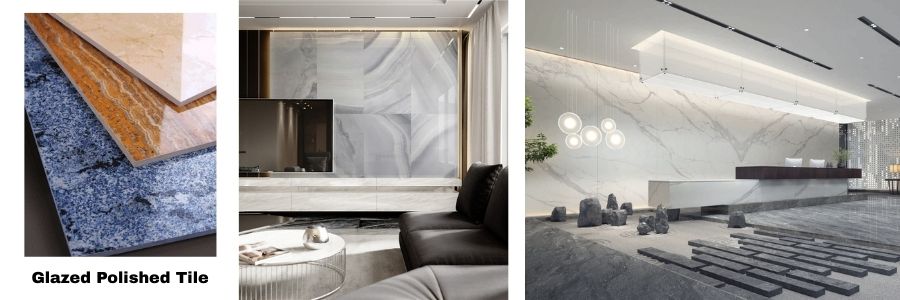
Benefits of glazed polished tiles:
- Greater design flexibility and more color option than regular polished porcelain
- Exceptional light reflection make the space look more larger and brighter
- Premium appearance that enhances upscale projects
Beyond the glazed polished, and polished surface, there are more surface option, sizes and thickness option you need to consider also, read our post types of porcelain tiles: essential knowledge for importers- you will have a broader view when choose porcelain tile.
How to Choose the Right Tile Types for Your Project
Based on my experience with international clients, here’s my advice:
Choose glazed porcelain tiles when:
- You need lots of color and pattern options
- The tiles will be in wet areas like bathrooms or kitchen (glazed polished tile is not included in this category)
- Safety and slip resistance matter
- You want to customize your pattern designs and color
Choose polished porcelain tiles when:
- You want that luxury, high-end look
- The space needs to feel bigger and brighter
- The project is for commercial spaces like hotel lobbies
- Your client values that mirror-like shine
Quick Importing Checklist for Tiles
After shipping thousands of containers worldwide, here’s what you should know when importing:
For glazed tiles:
- Check the glaze thickness – thicker is better, but usually it’s not easy to see
- Look for consistent color across batches
- Pay attention to the flatness of the glazed tile surface
- Ask for wet and dry slip resistance ratings if you have anti-slip request
- Check whether have microscratches before shipping for the glazed polished finished
- Request corner samples to check edge quality
For polished tiles:
- Check the polishing depth
- Check the stain resistance (which is very important)
- Ask whether have wax-sealing on the tile surface
- Inspect for consistent shine across tiles
Current Trends I’m Seeing
Right now in 2026, I’m noticing these trends with our international buyers:
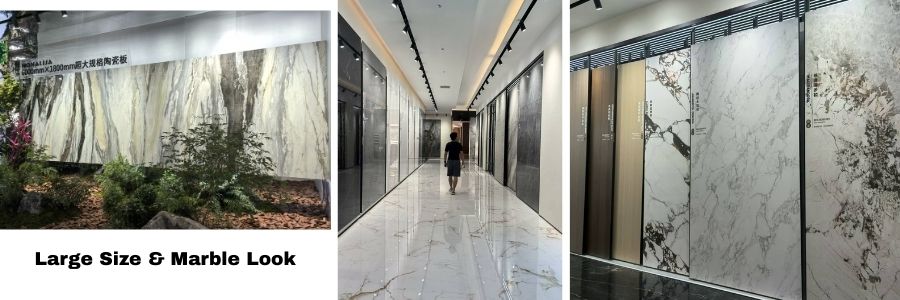
- Large format glazed tiles (60×120cm and bigger) are very popular for creating seamless looks with fewer grout lines.
- Marble-look glazed polished porcelain continues to be our best-seller for luxury projects.
Conclusion
Still not sure which to choose? Ask yourself these questions:
- What’s the main purpose of the space?
- What kind of paving effect or style do you want? Color preference? Need looks more natural or brighter?
- Do you have any anti-slip requirement? for wet areas or dry area?
- What’s the maintenance plan after installation?
The answers will point you in the right direction. Feel free to reach out with any questions — helping you choose the right product is the first step in our partnership!
Frequently Asked Questions
Q 1: How long do glazed tiles last compared to polished?
A: Both can last more than 20+ years with proper installation and care.
Q 2: Can I use polished porcelain in a shower?
A: It’s not ideal for the showeroom’s floors. The polished surface can be slippery when wet, and water spots show more clearly. Glazed tiles with some texture are safer for wet areas.
Q3: Are polished porcelain tiles slippery?
A: Yes, polished porcelain tiles can be slippery, especially when wet. The smooth, polished surface reduces friction, making it potentially hazardous in areas that may get wet like bathrooms, kitchens, or entryways.
Q 4: What are the common problems with glazed porcelain tiles?
A: While glazed porcelain tiles are versatile and popular, they do have some limitations: Glaze wear: In extremely high-traffic areas, the glaze layer can wear down over time, especially with lower-quality tiles; Surface chipping risk: The glaze can chip if heavy objects are dropped, revealing the different-colored body underneath.