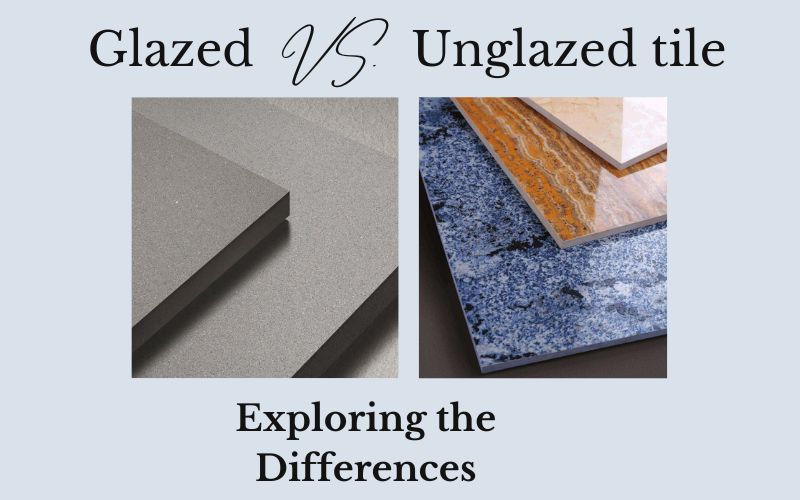
Tiles are a fundamental aspect of architecture and design, but not all tiles are created equal. glazed or unglazed tiles are the tiles you will use. Even though these two types of tiles look similar at first glance. As an importer or buyer, you may consider a range of factors, from visual aesthetics to practical durability, to ensure the porcelain tiles meet the demands and preferences of your markets or projects.
This blog post aims to provide a comprehensive guide to glazed and unglazed tile, their manufacturing processes, key differences, and applications.
I. What are glazed tiles?
Glazed tile is a type of ceramic or porcelain tile that undergoes glazing treatment and high-temperature refinement. It consists of a clay body and glaze. The surface of the tile is visibly coated with a layer of glaze when viewed from a cross-section.
Manufacturing processes
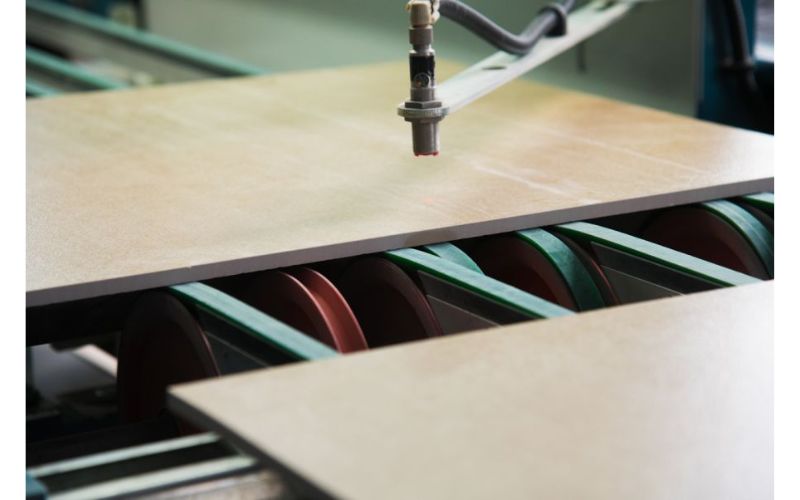
The manufacturing process of glazed tiles involves several key steps.
First, the clay body is shaped and formed from clay and other ceramic materials.
Second, dried and bisque-fired at a lower temperature to remove all moisture.
Following this, apply the glaze to the surface and printing pattern.
Finally, fired at high temperatures, a process that vitrifies the glaze to the tile surface, creating a durable and attractive finish.
Types of glazed tile
Glazed tiles, a popular choice for interior and exterior design, offer a wide range of options for homeowners and designers. Depending on the surface gloss and various raw materials, they can be divided into different varieties of tiles.
First, based on the raw materials and water absorption different, glazed tile can be categorized into two main types: glazed porcelain tile and glazed ceramic tiles.
Glazed ceramic tiles
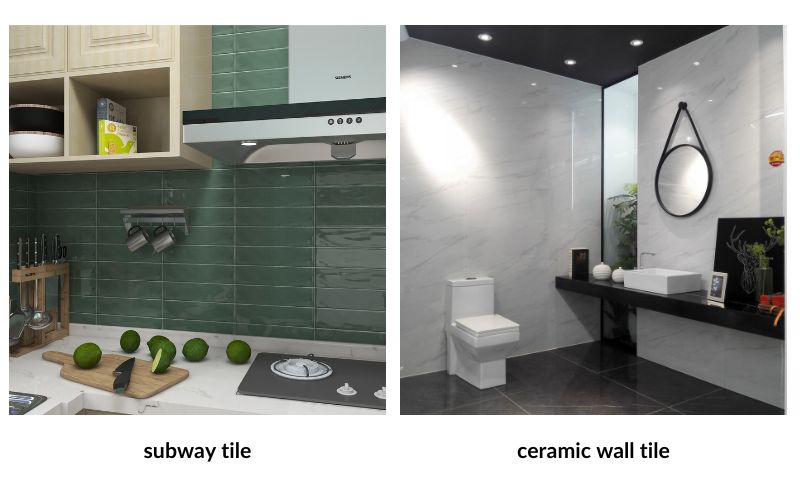
Glazed ceramic tiles are typically used on walls or the floor with less traffic. The tile body, composed of clay and reddish on the back, exhibits high water absorption and low strength. Subway tiles and ceramic wall tiles belong to this class, they are good for decoration and are known for affordability, with glossy & matt finish, and available in various colors, patterns, and sizes, they are versatile for diverse designs.
Glazed porcelain tiles
Glazed porcelain tiles are recognized for their durability and water resistance. Made from a more refined clay, these tiles are fired at higher temperatures, resulting in a denser and less porous material that can withstand heavy foot traffic and moisture exposure. They are suitable for both walls and floors, with a wide range of design options including marble-look, concrete-look, and wood-look finishes.
Glazed porcelain is one kind of porcelain tile, if you also want to know more the surface finishes, size, thickness option and how to choose matched tile for project, read our types of porcelain tles guide will help you have a full pictures
Second, according to the surface glossiness, glazed tiles can be categorized into glossy and matt-glazed tiles.
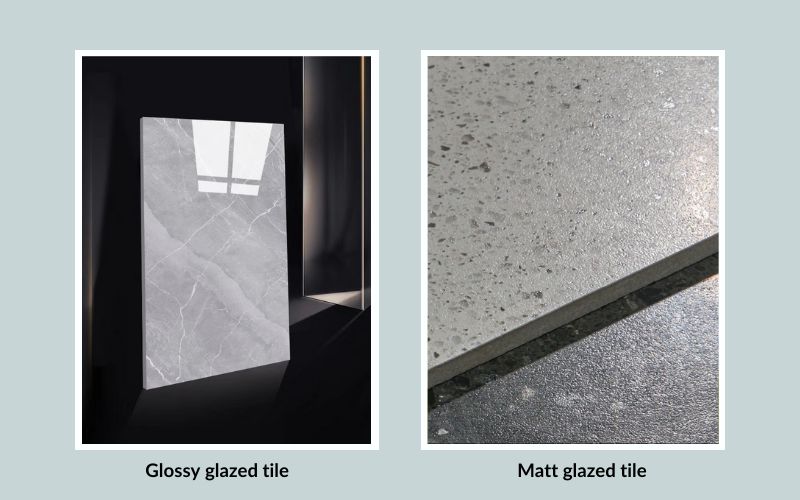
Glossy glazed tiles
Glossy glazed tiles, with their characteristic shine, offer a vibrant and smooth finish that can make spaces appear brighter and more expansive.
Matt glazed tiles
Glazed matt tiles possess a more subdued and natural finish compared to their glossy finishes. Their non-reflective, matte finish makes them suitable for a wide range of design aesthetics, from rustic to modern minimalism.
If you want o know why chinese glazed tile offer best value for most project and is it worth to do that? Read our post: Chinese glazed tile value for international proejcts.
II. What are unglazed tiles?
Unglazed tiles are crafted without the additional layer of glaze on the surface. These tiles are extremely durable, making them perfect for commercial flooring that can handle heavy usage and high-traffic areas.
Manufacturing process
The manufacturing process of unglazed tiles is similar to glazed tiles but without the glazing treatment. This results in a more natural-looking tile that maintains its original color and appearance even after years of wear.
However, for the polished porcelain tile ( one kind of unglazed porcelain tile ), since the lack of glaze, makes them more susceptible to staining and scratching, so proper sealing and maintenance are necessary.
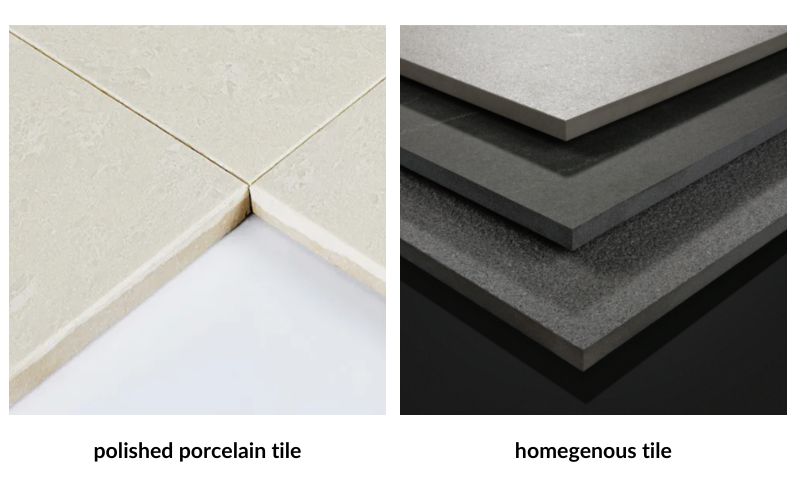
Types of unglazed tiles
At present, the most popular types of unglazed tiles on the market are polished porcelain tiles, which offer a smooth and glossy surface, and full-body tiles, which are also known as homogenous tiles because the color is the same throughout the tile.
Both polished porcelain and homogenous tile provide versatile options for various designs and functional needs in residential and commercial areas.
If you want specific detail comparison between glazed and polished tile, read our post glazed vs. polished porcelain tiles.
III. Key differences between glazed and unglazed tiles
The primary distinction between glazed and unglazed tiles lies in their surface treatment, which consequently affects their color, design, durability, manufacturing process, and cost.
Color and Design:
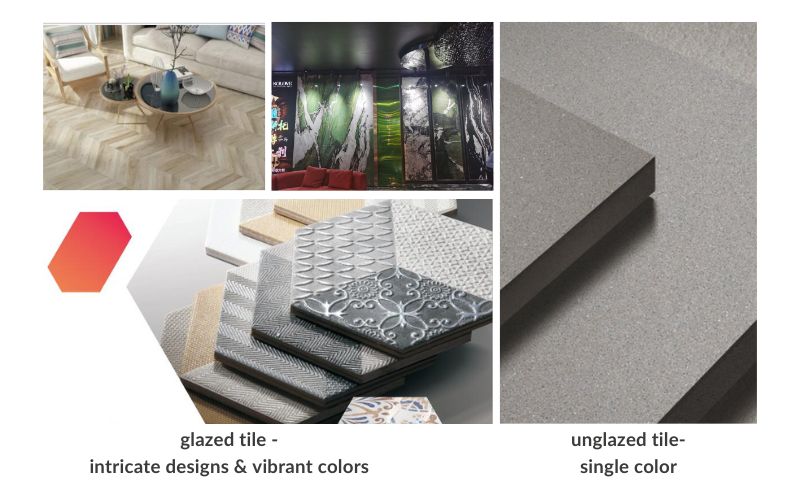
The color and design of glazed tiles are determined by the layer of glaze on the tile’s surface and the pattern printed on it. due to the glaze that can be match pigmented, and patterned also can be customized as you need, this variability allows for intricate designs, vibrant colors, and even the replication of natural materials like wood, stone or marble.
In contrast, unglazed tiles typically are single color, and designs usually are the timeless classic style, such as the granite or nature stone pattern, various patterns cannot be produced as needed in unglazed porcelain tiles. Surfaces can be polished, matt, textured, flamed, and so on. It displays the natural beauty of the raw materials they are composed of, offering a more subdued, earthy palette that is consistent throughout the tile.
Durability:
Unglazed tiles are excellent in durability due to their dense and solid construction. This attribute makes them perfect for high-traffic, industrial, or commercial environments.
Glazed tiles, while still durable, may be more susceptible to chipping since the glaze is a separate layer applied to the tile. As the glaze wears away, the anti-stain and wear resistance of porcelain tiles will become more and more apparent. However, advancements in manufacturing and glazing have notably enhanced the durability and stain resistance of glazed porcelain tile.
Manufacturing Process:
Both glazed and unglazed tile undergo a similar basic manufacturing process – the formation from clay, drying, and firing. The distinction arises with the application of glaze; glazed ceramic tiles receive an additional layer of liquid glass before firing, which fuses to the surface.
Unglazed tiles employ color penetration technology, where colorants permeate diverse pattern textures into the tile’s body rather than remaining on the surface or glaze. This method gives the unglazed tiles have distinct texture, alongside resistance to acids, alkalis, chemical attacks, wear, fading, and other exceptional properties.
This difference in manufacturing processing contributes to the variations in their physical characteristics and appearance.
Cost:
Typically, tile prices can vary widely based on factors like quality, design, specifications, and brand.
It’s not straightforward to say whether glazed tiles are consistently more or less expensive than unglazed tiles. Certain glazed ceramic or porcelain tiles, which involve intricate craftsmanship and specific glazing requirements, can be very costly. Similarly, full-body porcelain tiles, made entirely of the same material, incur high costs when complicated patterns or colors are produced.
IV. Practical Applications: glazed vs unglazed Tiles
Based on the application areas, glazed tile can be divided into two types: glazed wall tile and floor tile.
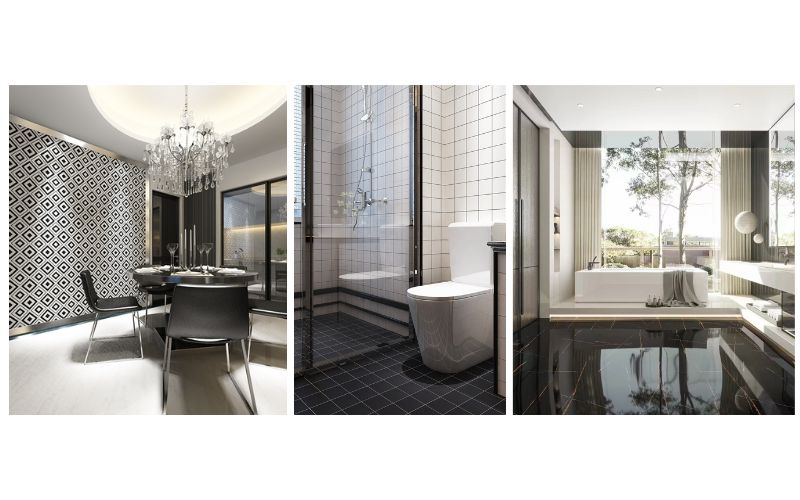
Glazed wall tile and floor tile
Glazed wall tiles are highly preferred in spaces where aesthetics and easy maintenance are key, such as residential and commercial kitchens, bathrooms, and backsplashes. The glaze not only offers a wide range of visual designs but also provides an additional protective layer, making them moisture and stain-resistant, and mildew. Additionally, the ability to mimic natural materials like wood and stone elevates their charm, enabling designers to achieve desired aesthetics without the expense and upkeep of natural products.
Similarly, glazed floor tiles are preferred for indoor areas that require durability along with stylish. Though traditionally seen as less strong compared to unglazed tile, modern advancements in glazing technology have significantly improved the wear resistance of floor tiles. They are particularly popular in residential interiors, including entryways, hallways, and living rooms, where their aesthetic versatility can be fully utilized. In commercial spaces such as offices, cafes, and boutiques, glazed floor tiles offer a practical solution that does not compromise style, providing a durable flooring option that can withstand moderate to heavy usage.
Unglazed porcelain tiles
Unglazed porcelain tiles offer outstanding durability and abrasion resistance, making them ideal for busy commercial, industrial spaces and outdoor applications, like warehouses, supermarkets, airports, and public transport areas. Their entire tile with consistent color means they can better conceal signs of wear or chips, an attribute that extends their functional lifespan.
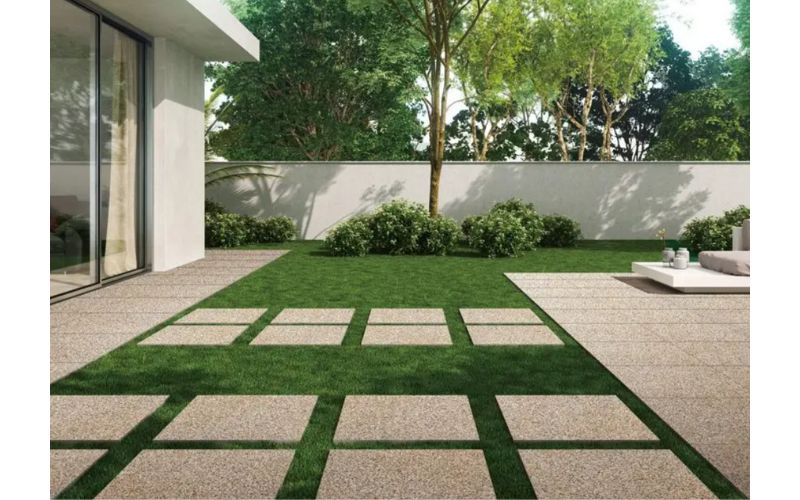
Their natural, textured finish not only enhances safety by reducing slipperiness but also makes them perfect for outdoor use in places like commercial pathways, driveways, and garden paths. Inside homes, polished tiles shine in areas that require light reflection or low upkeep, such as utility rooms, entrances, and living rooms. But they are only suitable for dry floors application.
V. Choosing between glazed and unglazed tiles for import
Choosing between glazed and unglazed tiles for import requires a strategic approach, considering market demand and specific applications. Meanwhile, conduct thorough research to understand target audience preferences. For homeowners seeking aesthetic appeal with moderate traffic, glazed porcelain or ceramic tiles may be more suitable. In public or commercial spaces prioritizing longevity and slip resistance, unglazed porcelain tiles could be more effective.
Furthermore, importers need to evaluate the technical specifications of both tile types, including their water absorption rates, slip resistance, wear resistance, and overall durability. Engaging with manufacturers who produce tiles meeting or exceeding industry standards is very important. Establishing relationships with reputable suppliers who can provide quality assurance and on-time delivery will also benefit importers in the long run.
Aside from product issues, importers must consider logistical and customs aspects such as shipping costs, import duties, customs clearance, and port-of-arrival timelines. They should weigh these factors against the profit margins for importing glazed vs unglazed tiles. Crafting a sourcing strategy that includes these factors allows for more informed selections, matching imported tiles with customer preferences and project needs, and ensuring success in the competitive tiling industry.
VI. Conclusion
Summing up, the choice between glazed and unglazed tiles for import is complex, depending on factors like market demand, usage, technical specs, budgets, and duty.
Glazed tiles offer versatile aesthetics for spaces prioritizing appearance and maintenance ease, while unglazed tiles excel in durable, high-traffic environments.
Importers must balance these aspects with market preferences, conduct thorough research, partner with reliable manufacturers, and address logistical challenges for an informed decision. The goal, whether choosing glazed or unglazed tiles, is to import high-quality products that meet customer needs, ensuring success in the competitive tiling industry.
If you are looking for a reliable tile supplier in China, welcome to contact us! Our team will reply you in 24 hours. Happy sourcing!
FAQ’s about glazed and unglazed tile
1. Are all the glazed tiles waterproof?
While glazed tiles are more resistant to moisture and stains due to their protective layer, it’s important to note that they are not completely waterproof. What’s more, the level of water resistance can vary depending on the quality of the glaze and the tile’s construction. Some glazed ceramic tiles with poor quality are not water resistant at all, when water is poured on these ceramic tiles, it flows directly through to the back.
2. Can I customize the color and pattern of glazed porcelain tiles?
Yes, one of the advantages of glazed porcelain tiles is the ability to customize colors and patterns during the glazing process, offering endless design possibilities.
3. What’s the glazed porcelain tiles problems?
Glazed porcelain tiles with lower-quality glazing can be prone to surface wear over time, especially in high-traffic areas. The glaze layer may also chip if impacted by heavy objects, exposing the tile body underneath.
4. Is glazed tile slippery?
It depends on the surface finish. Polished glazed tiles or the smooth surface with glossy can be slippery when wet, while matte or textured glazed tiles are designed to provide better slip resistance and are safer for bathrooms and outdoor areas.
5. Are unglazed tiles stain easily and harder to maintain?
Generally yes. Unglazed tiles have no protective glazed layer, so may need regular sealing and more careful cleaning compared to glazed tiles.
Related posts: